







Search Results for: stainless steel ice cubes
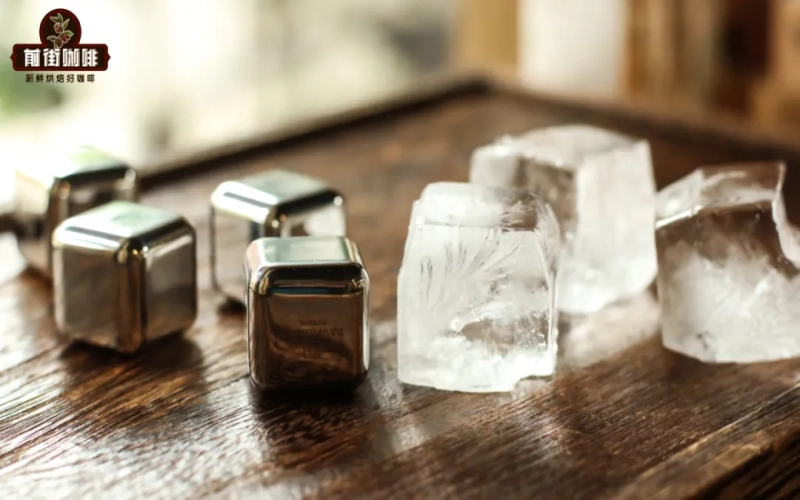
Replacing Regular Ice with Stainless Steel Ice Cubes for Iced Pour-Over? Front Street Tests Cooling Effect and Flavor Differences
On a scorching summer day, you want to drink iced pour-over but worry the flavor will be watered down, so a friend suggests: use stainless steel ice cubes to cool down hot pour-over—wouldn't that give you both full flavor and a refreshing chill? This idea sounds beautiful, but through comparative experiments, Front Street Coffee found that although stainless steel ice cubes can preserve coffee concentration, they fall short of traditional ice cubes in temperature and mouthfeel. This article documents in detail the parameter differences between regular iced brew and the experimental iced brew with stainless steel ice cubes, the actual measured temperature results, and the inherent shortcomings of stainless steel ice cubes—slow cooling and not cold enough—to help you decide whether they are worth using in iced pour-over. [more…]

Can stainless steel ice cubes be used to cool coffee? A practical test comparing their effect and usability against homemade ice cubes
When drinking iced coffee in summer, it tends to become diluted toward the end, so some people have thought of using stainless steel ice cubes instead of traditional ice. Are these reusable metal ice cubes really suitable for coffee? Front Street conducted an actual comparison test, analyzing the structure of stainless steel ice cubes, their cooling speed, and their impact on flavor. The results show that although stainless steel ice cubes have the advantage of not melting, their cooling effect is far inferior to homemade ice cubes, especially performing poorly in the ice pour-over step. The article also shares a pour-over plan using a mix of the two types of ice cubes, and explores why coffee shops rarely use stainless steel ice cubes. [more…]

How to Make Iced Pour-Over Coffee: A Detailed Guide to Coffee-to-Water Ratios and Stainless Steel Ice Cube Alternatives
Want to enjoy a refreshing glass of iced pour-over coffee but worry that melting ice will dilute the flavor? This article focuses on making iced pour-over, with an emphasis on explaining why you need to adopt a "high concentration, low extraction" approach to redesign your brewing parameters, and offers specific coffee-to-water ratio recommendations. It also discusses whether stainless steel ice cubes can replace regular ice, along with related product recommendations from Front Street Coffee. Whether you're a beginner just getting into pour-over or a seasoned enthusiast looking to refine your summer iced coffee recipe, you'll find practical solutions here. [more…]
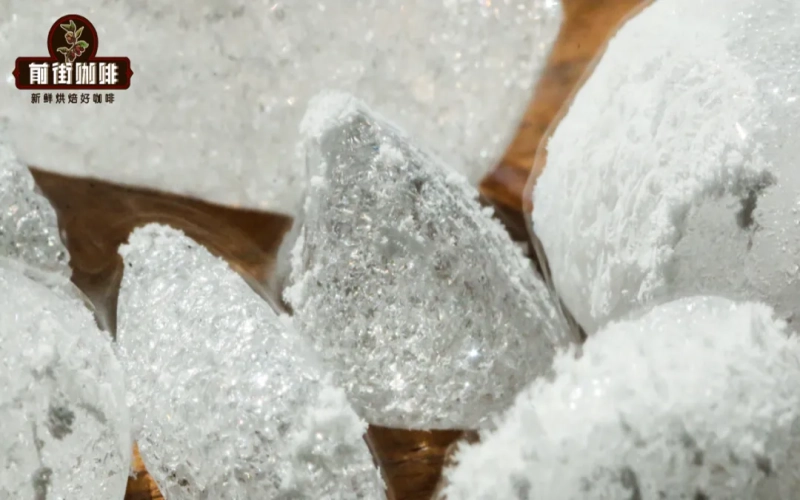
Is It Feasible to Use Dry Ice Instead of Ice Cubes for Iced Pour-Over? A Comprehensive Analysis of Cooling Methods for Pour-Over Coffee
Iced pour-over coffee needs rapid cooling, but ordinary ice cubes melt and dilute the coffee's strength. Some friends suggested using non-melting stainless steel ice cubes, but that attempt failed; then someone else recommended dry ice, which cools quickly and doesn't cause dilution. Dry ice can indeed chill coffee rapidly without turning into water, but when it sublimates it releases carbon dioxide, which dissolves into the coffee and turns a cup of iced pour-over into carbonated coffee—essentially deviating from what's wanted. This article provides a detailed analysis of dry ice's physical properties, its everyday uses, and why it's unsuitable for making pour-over coffee, along with Front Street Coffee's key points from their dry ice experiments and a recommended bean list. [more…]

WBC Champion Sasa's Paragon Ice Stone Brewing Black Technology: A 30,000-yuan Aroma Locking Device, but a Replacement Can Be Found for Just a Few Dozens of Yuan?
2015 WBC champion SaSa Sestic returned as runner-up in the 2022 Australian Brewers Cup, bringing with him a brand-new brewing device called the Paragon—a specially made ice rock mounted in the middle of the dripper to lock in the volatile aromatics in the coffee liquid. According to Sasa, this invention is the result of collaborative research with Professor Jahan and the Swiss Coffee Center of Excellence, and it can capture up to 40% extra aromatics through rapid cooling during the first and middle stages of extraction. However, the official price of this brewing stand plus metal ice rock is as high as $4,292, equivalent to more than 30,000 RMB, which has sparked a lot of discussion among coffee enthusiasts. Bloggers on YouTube have already begun hands-on testing and found that its core component is similar in principle to the food-grade stainless steel ice cubes commonly seen in bars, while similar products on Taobao cost only a few dozen yuan. So what exactly makes this ice rock so special? When brewing the same Geisha with a V60 paired with the Paragon versus a plain V60, the TDS rises from 1.27 to 1.37—what differences are there in flavor performance? This article will explain it all in detail for you. [more…]

Iced Coffee Recommendations | How Can Coffee Newbies Make Better Iced Pour-Over, Cold Brew, and Ice Drip Coffee? How Long Can Cold Brew and Ice Drip Coffee Be Stored?
After entering the summer solstice, the hottest topic in the enthusiast chat groups is none other than #HowToMakeIcedCoffeeThatTastesGood, with everyone sharing their tips for making iced coffee with each other every day. In this article, Front Street has combined some enthusiasts' views and put together some tips for making iced pour-over coffee, iced drip coffee, and cold brew coffee taste even better! [more…]

A Complete Guide to Iced Pour-Over, Cold Brew, and Cold Drip Coffee: Brewing Techniques and Storage Times
After the summer solstice, iced coffee becomes the focus of discussion among coffee enthusiasts. Drawing on community opinions, this article systematically organizes the key techniques for making three types of iced coffee: iced pour-over, cold brew, and ice drip. The content covers calculating coffee-to-water ratios, grind size recommendations, adjusting ice quantity, and the optimal drinking window and storage limits for cold brew and ice drip. Front Street also provides specific parameter references for each type of coffee to help you make iced coffee with clear flavor and a full body at home. [more…]

The Complete Guide to Iced Coffee: Extraction Ratios and Practical Tips for Iced Pour-Over, Cold Brew, and Ice Drip
After the summer solstice, iced coffee becomes the most discussed topic in coffee enthusiast groups. This article gathers the hands-on experience of many enthusiasts, focusing on the three mainstream iced coffee brewing methods—iced pour-over, cold brew, and ice drip—with an emphasis on solving the concentration problem caused by ice dilution. It breaks down in detail the calculation logic of coffee-to-water ratios, the direction for grind size adjustments, extraction time, storage duration, and other key aspects. Whether you prefer floral notes, fruity acidity, or a rich, full-bodied taste, you'll find a brewing method and bean recommendation that suits you. [more…]
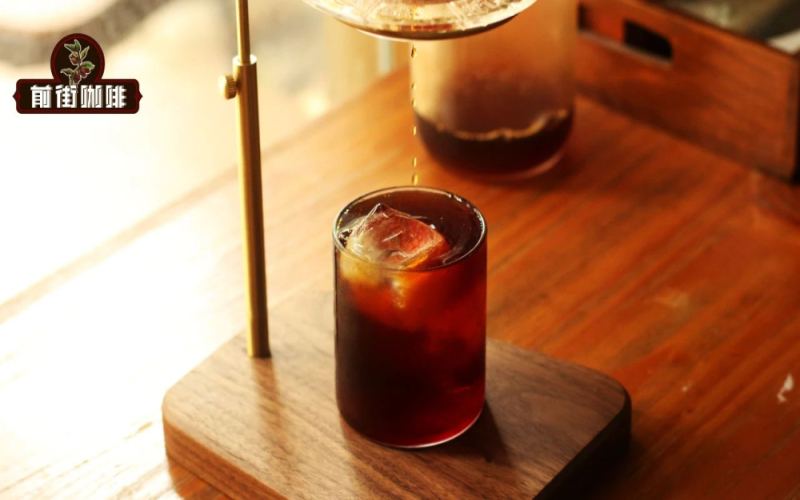
What Is Japanese Iced Coffee? An Analysis of Two Major Iced Brewing Methods and Practical Details
As the weather warms up, iced drinks are once again becoming a favorite among coffee lovers. This article focuses on Japanese-style iced coffee, introducing its characteristics and sharing two ready-to-use iced pour-over methods: the stirring method from KURASU COFFEE in Kyoto, and the ice-shaking method from Taiwanese barista Amis. The article breaks down in detail each method's equipment choices, coffee bean preferences, pouring techniques, and parameter differences, using Ethiopian Sidama Alo Hattesa beans as a demonstration to help readers brew a fragrant yet refreshing summer iced coffee. [more…]
Pour-Over Coffee Practical Guide: Complete Parameters from Grinding and Water Temperature to Coffee-to-Water Ratio, Plus an Analysis of Eight Major Brewing Methods
Want to brew a delicious pour-over coffee? How exactly should you set the grind size, water temperature, and coffee-to-water ratio? This article first outlines the general principles of coffee brewing, then breaks down one by one the operating details, advantages, and disadvantages of eight brewing methods, including siphon, water drip, espresso, paper filter, piston pot, Belgian pot, and moka pot. No matter which device you usually use, you can find reference parameters and steps here. At the end, it also gives specific suggestions based on Front Street Coffee beans to help you put theory into daily practice. [more…]

How to make iced pour-over coffee tasty enough? A full analysis of the practical parameters of the stirring method and the ice-shaking method.
As soon as the weather warms up, iced coffee comes back into everyone's view. Many people keep trying ready-made methods at home, yet always feel the result is either weak or flat in flavor. This time Front Street Coffee has put together two more direct and easy-to-use iced brewing methods: one is the stirring method from KURASU COFFEE in Kyoto, which boosts extraction efficiency by stirring while pouring water, making it beginner-friendly; the other is the ice-shaking method from Taiwanese barista Amis, which uses a large dose, fine grind, and high water temperature to first extract a concentrated liquid, then hand-shakes it with ice to cool it down, giving more prominent aroma layers. The article retains complete bean selection suggestions, dripper pairings, coffee-to-water ratios, water temperatures, and grind parameters, and uses Alo Hatessa, recently recommended by Front Street Coffee, for a full demonstration, helping you find a summer iced coffee method that is both rich and refreshing. [more…]

Colombia Rose Valley Coffee Flavor Analysis: A Complete Guide from Anaerobic Fermentation Process to Iced Pour-Over Parameters
Colombia, as the world's second-largest coffee-producing country, is not only famous for its washed beans but is also a core representative of special anaerobic fermentation processing methods. This article focuses on Rose Valley coffee produced by Big Tree Estate in Colombia's Santander region. It first reviews Colombia's coffee cultivation history and regional landscape, then takes a deeper look at the characteristics of the Caturra variety and the double anaerobic enzyme washed process, and also includes a complete roasting curve, cupping information, and parameters for both hot brewing and iced hand brewing. Whether you want to understand the processing logic behind anaerobically fermented beans or are looking for an iced hand-brewing recipe you can directly replicate, you will find the answers in this article. For more specialty coffee content, follow Front Street Coffee (FrontStreet Coffee). [more…]

How to Make Delicious Iced Pour-Over Coffee? Two Popular Brewing Methods and Ratios Explained in Detail
As the weather warms up, cold drinks are back in the spotlight, and iced pour-over has become a favorite for many coffee lovers. However, when trying to recreate online recipes at home, many people often run into problems like weak coffee or flat flavors. Front Street Coffee has put together two highly praised iced pour-over methods from its bookmarks: one is the stirring method from KURASU COFFEE in Kyoto, and the other is the ice-shaking method from Taiwanese barista Amis. These two approaches tackle the issue from different angles—one boosts extraction, the other chills and mixes evenly—and both use everyday pour-over gear with clear parameters, making them suitable for friends at different skill levels. This article will use a naturally processed Ethiopian Bensa beans as an example to break down the pouring technique, coffee-to-water ratio, timing, and flavor profile in detail, helping you find an iced pour-over approach that suits you better. [more…]

Starting from the typo of "coffee" as "office": A cultural reflection behind showing off coffee knowledge
Recently, a netizen posted a question after returning to China: "Don't you guys usually drink office?" This slip of the tongue, mistakenly writing coffee as office, quickly sparked heated discussion and teasing among netizens. Starting from this little episode, we might as well talk about some interesting phenomena in coffee culture—some people confuse SEO with SOE, and some are confidently full of themselves despite knowing little about pour-over competitions. Drinking coffee is supposed to be an everyday little thing, but why do some people always treat it as capital for showing off? Let us review the evolution of coffee from a noble exclusive to a commoner's drink, and explore what kind of mindset we should have in understanding and enjoying coffee today, as specialty coffee culture becomes increasingly popular. [more…]
The Complete Guide to Starbucks Elegant Pour-Over Chemex: A Detailed Analysis of Parameters from Grind Ratio to Extraction Steps
The Chemex coffee maker, with its elegant appearance and excellent extraction performance, has become a favorite among many coffee enthusiasts. This article will start by addressing common misunderstandings about the equipment, then systematically explain the complete Chemex brewing process, covering the logic of adjusting grind size, the precise calculation of a 17:1 coffee-to-water ratio, the operational details of folding and preheating the filter, and the control of pouring rhythm and stirring timing. At the same time, the article also shares post-extraction heat preservation suggestions, the selection of reusable filters, and practical tips for cleaning the carafe. Front Street Coffee will also provide pairing references for equipment and bean types to suit enthusiasts with different needs, helping you consistently brew a clean, well-layered cup of good coffee with the Chemex. [more…]

How a Moka Pot Works | What Are the Pros and Cons of a Moka Pot? Does Brewing Black Coffee with a Moka Pot Produce Crema?
As coffee has entered people's lives, it has gradually become a part of everyday life. The enjoyment of coffee is no longer limited to the pleasure brought by pour-over. There are many ways to drink coffee; besides the simple pour-over, espresso-based coffee is everyone's favorite. Perhaps you often hear people say in a coffee shop: "I'll have a [more…]
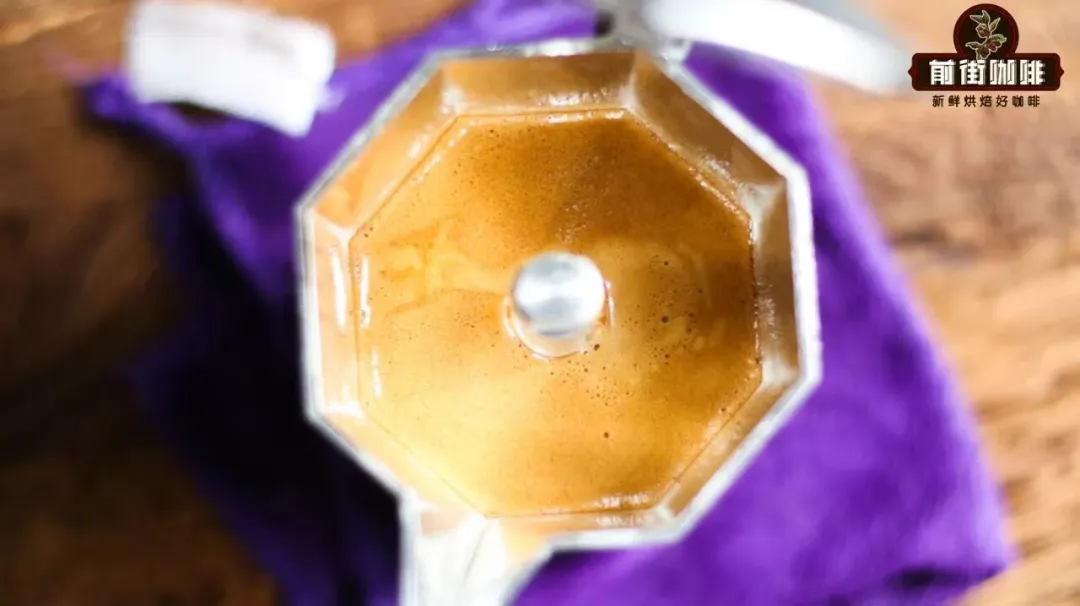
Coffee Basics | What is the coffee extraction principle of a Moka pot? How can coffee beginners use a Moka pot to make espresso-style black coffee? What are the pros and cons of a Moka pot?
Espresso is a coffee with a very long history and the soul of all coffee drinks. In fact, besides a semi-automatic espresso machine, there is another device that can make espresso: the moka pot. Below, Front Street Coffee will introduce it to you: the moka pot. What is a moka pot? Since the moka pot [more…]
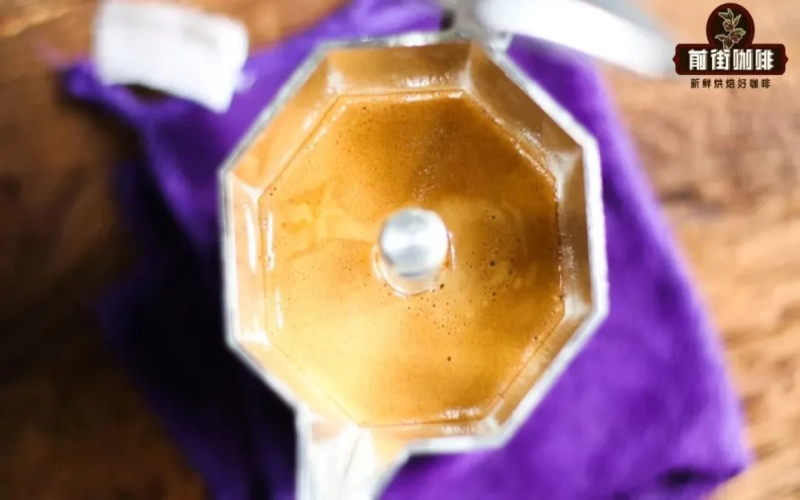
Moka Pot Beginner's Guide: From Structure and Principles to Step-by-Step Operation, Making Espresso at Home with Household Equipment
The moka pot is one of the most common espresso brewing tools in Italian households, using steam pressure to easily extract rich coffee at home. This article starts with the invention background, structural composition, and the difference between single-valve and double-valve moka pots, then provides a detailed analysis of its extraction principle, along with a blend bean recommendation from Front Street Coffee and complete brewing steps. Whether you are a beginner just getting into coffee or a seasoned enthusiast looking for a portable device, you can learn about the advantages and limitations of the moka pot, master the correct usage, avoid common mistakes, and make a cup of espresso with golden crema. [more…]

How to Extract Rich Crema with a Moka Pot? A Complete Analysis from Equipment Structure to Practical Steps
To make espresso with golden crema at home, a moka pot is an extremely cost-effective choice. This article will start with the invention background, structural principles, and the differences between single-valve and double-valve moka pots, explain in detail its coffee extraction mechanism along with its pros and cons, and list the required tools and the complete brewing process. It will also recommend Front Street specialty blend coffee beans as a pairing option, include key operating points and precautions for every step from adding water and loading grounds to heating and extraction, and finally share drinking methods such as Americano, latte, and Vietnamese coffee, helping coffee lovers easily recreate a rich and full-bodied Italian-style coffee at home. [more…]
The Complete Moka Pot Guide: From Extraction Principles to Operational Details, Easily Make Espresso with Crema at Home
To enjoy rich, aromatic espresso with golden crema at home, besides a semi-automatic espresso machine, there is a more accessible option—the moka pot. This small device, born in Italy in 1933, uses steam pressure to extract coffee with a flavor close to Espresso. This article starts with the history and structure of the moka pot and the difference between single-valve and dual-valve models, then explains in detail its pros and cons, extraction principles, and complete brewing steps, along with precautions and various ways to drink it. The article recommends coffee beans suitable for the moka pot, such as Front Street Coffee House Blend and Queen's Estate SOE, to help you find the right choice for opening a shop or daily personal enjoyment. [more…]